
CAS is excited to announce the inaugural awardees for the 2026 Inclusive Excellence Grants Initiative. This program is designed to advance inclusive excellence in the college with awards of up to $2500 per project. Six projects were awarded grants this year and we’re excited to highlight them here.
Reciprocal Research in Practice: Developing a Tribal Engagement Module for Oregon State’s Land-Grant Mission
This project aims to develop and evaluate a training module for OSU’s Community Engagement Certificate that prepares researchers to conduct ethical, culturally competent, community-engaged research with Indigenous communities. The project responds to a critical gap in formal training and seeks to establish baseline expectations for researchers working with Indigenous communities. The project seeks to strengthen equitable, respectful Tribal–academic partnerships and reduce the risk of harm in research collaborations.
PIs
Diana Rohlman, PhD
Department of Environmental and Molecular Toxicology
College of Agricultural Sciences
Chance White Eyes, PhD
Director, Tribal Relations
Government Relations Office
Marina Denny, EdD
Associate Vice Provost for Engagement
Extension and Engagement
Making “Master Gardener” achievable via expanded class offerings
Our project reenvisions Master Gardener training with barriers to success removed. Our new training paradigm includes four ways to access training that participants can mix and match as fits their schedule: in person classes, zoom meetings, recordings of zoom meetings, and online modules. In addition to providing synchronous and asynchronous training options, we’ve expanded the time trainees can take to finish the course and made registration open all year. These changes make it easier for people who work or have other life responsibilities to be successful in the Master Gardener program by removing barriers.
PIs
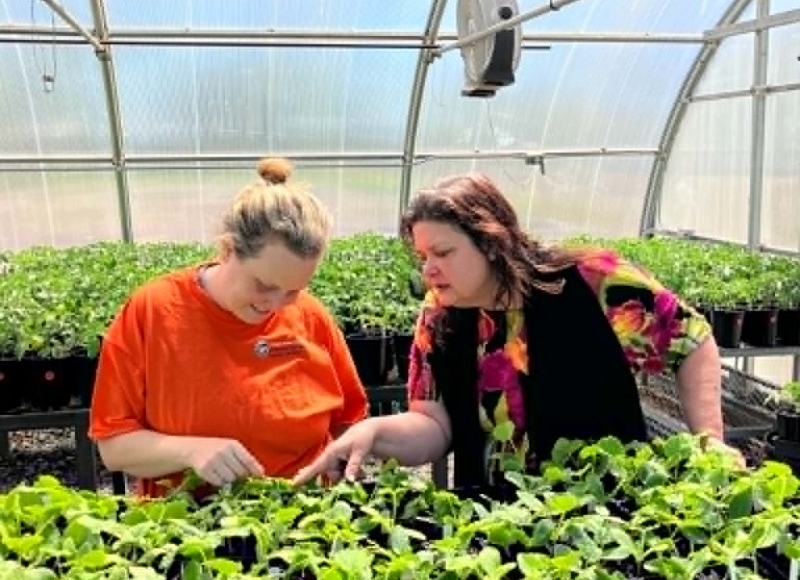
Nicole Sanchez, Associate Professor of Practice (PI)
Caroline Crawford, Education Program Assistant (Co-PI)
Enhancing Inclusive Teaching and Outreach through Shared Digital Microscopy Resources
This project aims to improve accessibility and inclusive excellence in laboratory-based instruction through the acquisition of digital microscopes for shared instructional use in the Department of Fisheries, Wildlife, and Conservation Sciences. Digital microscopes allow multiple users to simultaneously view specimens on a screen, enhancing accessibility and collaborative learning compared to traditional dissecting scopes. The equipment will support teaching, research training, and outreach activities across courses such as Ichthyology, Freshwater Ecology and Conservation, and Mammalogy, as well as public engagement and K–12 outreach events. These microscopes will increase access to hands-on specimen-based learning while improving cost efficiency through shared use.
PIs
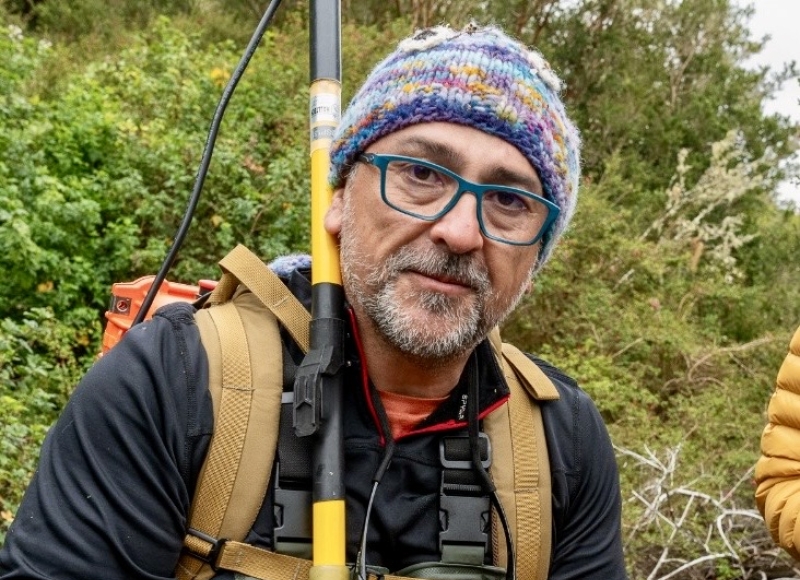
Ivan Arismendi (PI)
Associate Professor
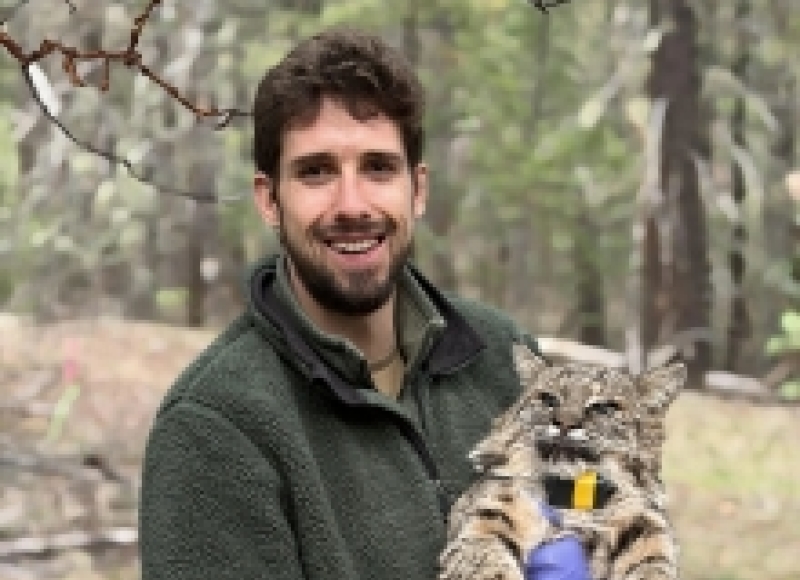
Joshua Twining (Co-PI)
Assistant Professor
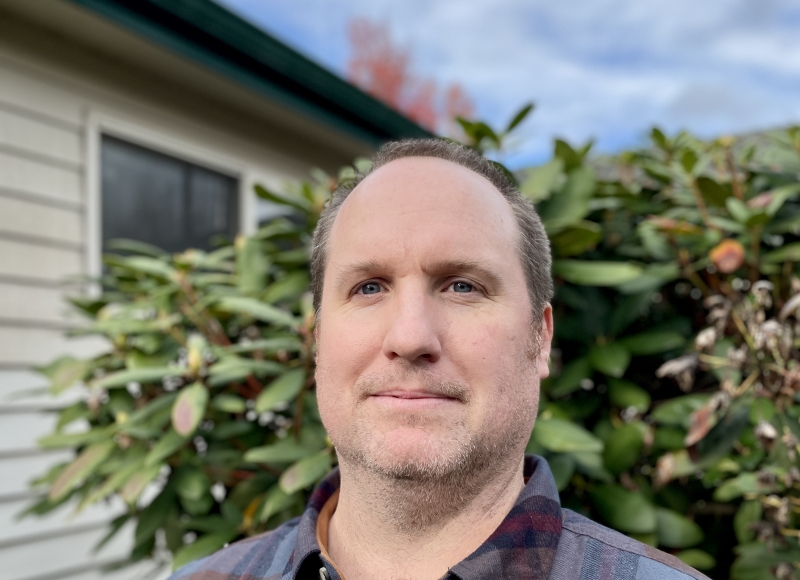
Michael Burns (Co-PI)
Assistant Professor
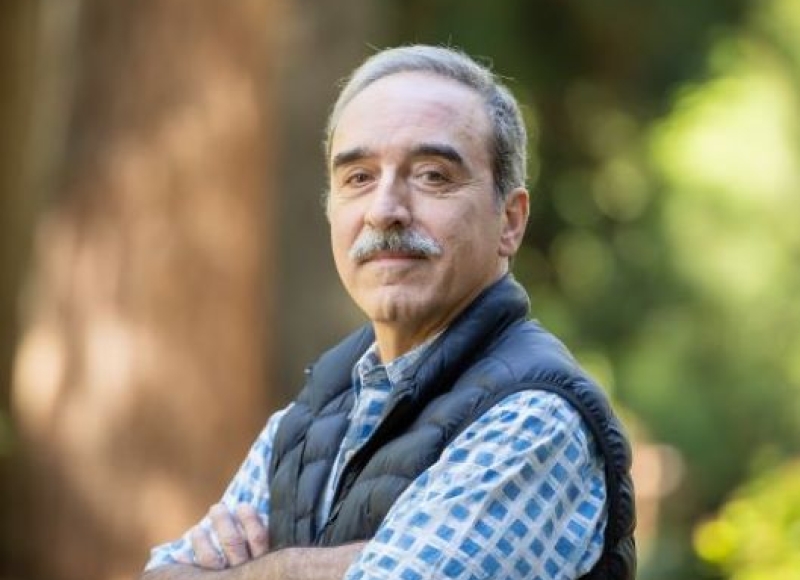
Guillermo Giannico (Co-PI)
Professor
Sustaining Inclusive Access to High-Impact Global Learning through Student Travel Scholarships
This project supports the long-standing Puerto Rico Service-Learning Study Abroad program by providing travel scholarships that sustain access for first-generation, low-income, and underrepresented students. Faced with rising travel costs and the loss of prior funding sources, the initiative establishes a $5,000 scholarship pool—through grant funding and matching support—to reduce financial barriers and maintain equitable participation. By prioritizing need-based awards, the project ensures that student participation continues to reflect CAS’s commitment to inclusive excellence rather than financial capacity. Ultimately, it preserves a nationally recognized, high-impact global learning experience while strengthening diversity and access across the program.
PIs
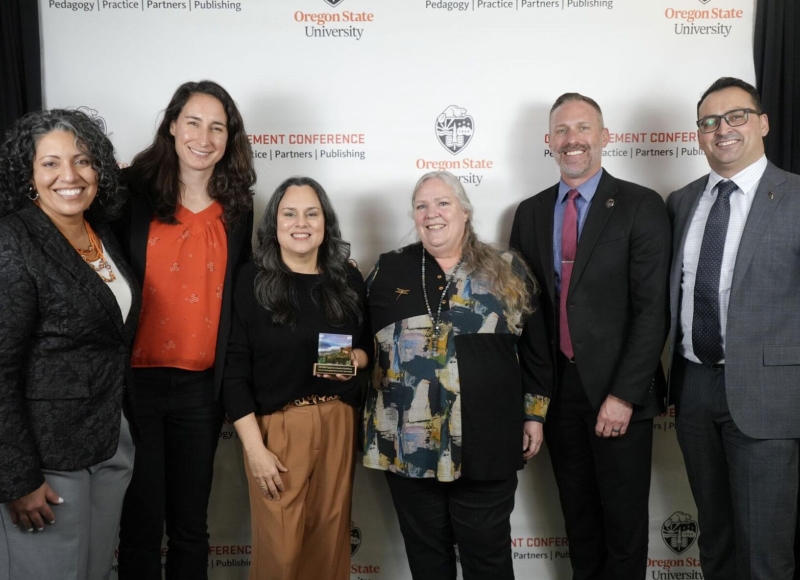
Rachel Jones
Wanda Crannell
Doris Cancel-Tirado (College of Health)
EOARC-Burns Pollinator Garden & Shared Vegetable Garden for Inclusive Engagement and Belonging
Create pollinator garden and shared vegetable garden areas. These spaces will serve as hands on learning hubs and inclusive gathering areas where individuals from all backgrounds can participate in collaborative gardening, wellness activities, ecological education, and culturally relevant conversations about food and land stewardship.
PIs
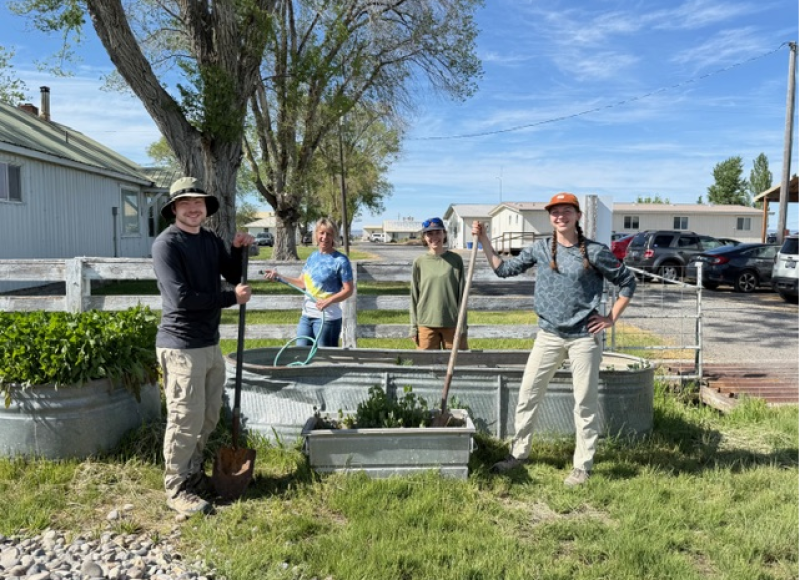
Summer Research Technicians (rotating participants),
EOARC Staff – USDA, OSU, OSU Extension & The Nature Conservancy (TNC)
The Hidden Work of Agriculture: Recognizing the People Behind CAS
The Hidden Work of Agriculture project will spotlight the often-unseen staff members whose work helps sustain the College of Agricultural Sciences’ teaching, research, and outreach mission. Through interviews, photography, and storytelling led by students, the project will highlight the contributions of research coordinators, farm staff, technicians, advisors, and other professionals across CAS. Stories and photo profiles will be shared through college communication channels and compiled into a digital collection celebrating the people behind the scenes of agriculture at Oregon State University. In addition to recognizing staff and fostering a stronger sense of community and belonging, the project also provides students with hands-on experience in agricultural communications, including interviewing, writing, photography, and digital storytelling. The project will conclude with a showcase event celebrating the stories and individuals featured throughout the initiative.
PIs
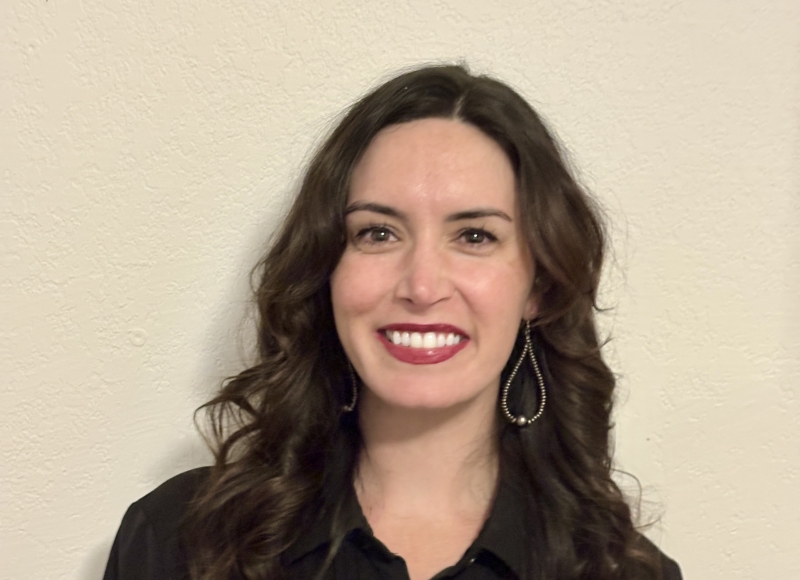
Lauren Chase (PI)
Senior Instructor I

Dr. Whitney Stone (Co-PI)
Assistant Professor
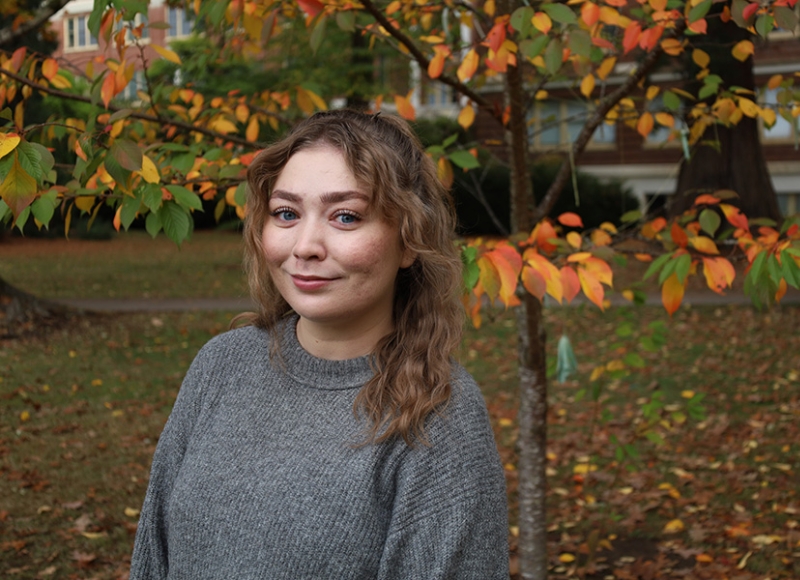
Dr. Taylor Foerster (Co-PI)
Assistant Professor
Melissa Millhollin (Co-PI)
Academic Advisor